
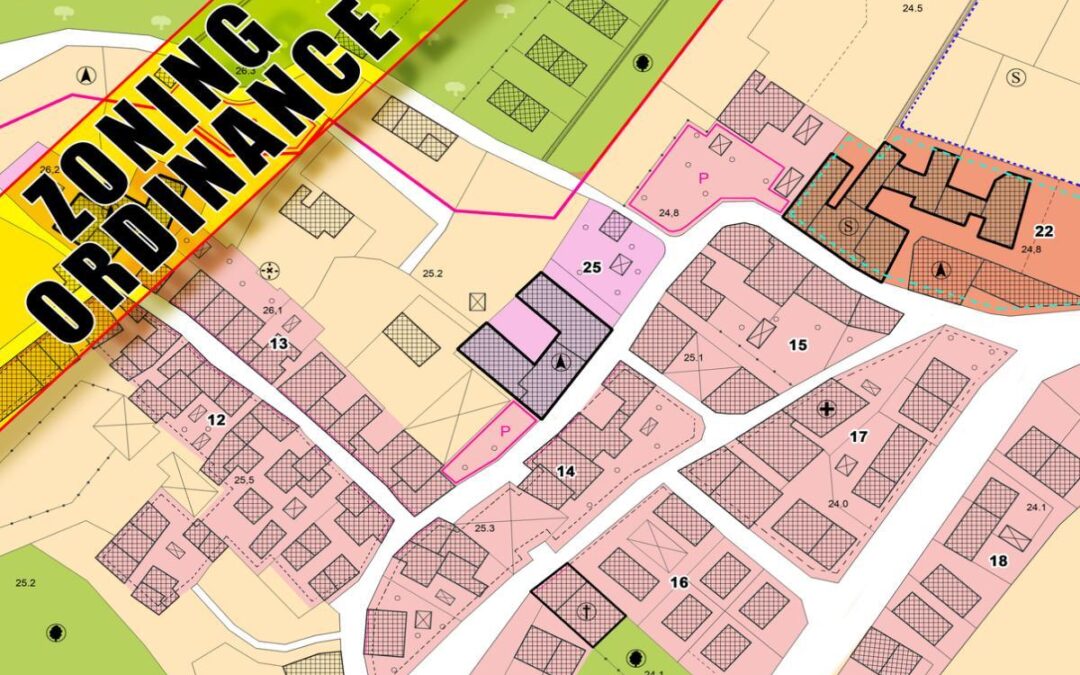
Organizations seeking to provide community integrated living arrangements (CILAs) for adults with intellectual and developmental disabilities face significant barriers in the form of local zoning laws. In response, a bipartisan team of state legislators has proposed a bill that would prohibit municipalities from using zoning laws to bar CILAs. House Bill 1843 would also require local zoning authorities to comply with federal disability and housing laws, including the Fair Housing Act and the Americans with Disabilities Act. The bill passed the House last spring and now will be assigned to a Senate committee.
CILAs are state-licensed and monitored residential settings that typically house small groups of residents under staff supervision. In many cases, CILAs are a viable alternative for adults with special needs when their aging parents may no longer be able to care for them at home, but they still need structure and support. CILAs can provide integration into a community setting that allows these adults to make friends and live more independently, while still having help as needed.
Currently, local zoning laws can effectively limit where organizations establish CILAs. For instance, local laws may require that some areas be zoned for single-family homes, that other areas be limited to homes with four or fewer residents, and that no more than one CILA can be located within a certain distance. These local zoning laws, which vary wildly, can make it very challenging for organizations to add desperately needed CILAs to communities.
One of the bill’s co-sponsors pointed out that local zoning rules tend to target the provider rather than the home’s residents. As a result, the fact that an organization owns the home rather than an individual should not affect the outcome of a zoning board decision.
House Bill 1843 passed the House 77-35. At least one legislator voted against the bill because they believed it would cause a loss of local control. The Illinois Municipal League (IML) also opposes the bill, echoing concerns about loss of local decision-making authority. The IML also opposed Gov. JB Pritzker’s intention to establish a statewide zoning law as part of his BUILD plan, stating that elected local leaders should make zoning and land use decisions for their communities.
One company that supports the bill is Envision Unlimited, which operates almost 100 CILAs in the state, primarily in the Chicago area. Envision’s CEO favors the legislation because local zoning laws and permits have made it far more challenging and time-consuming for the company to expand statewide. The barriers that local zoning laws create have left some adults with special needs with a wait time of more than one year to be placed in a CILA. The CEO also points out that CILAs face obstacles that no other homeowner or tenant would face; he considers the disparate behavior under local zoning laws to be discriminatory against individuals with intellectual and developmental disabilities.
Furthermore, the Envision CEO noted that CILAs are a highly regulated industry at the state level. Nonetheless, instead of relying on state expertise in this area, municipalities regularly request information about staff and residents that the company is legally prohibited from providing. Envision, and the bill’s sponsors want to provide consistent opportunities for CILA providers throughout the state.
In the past, Envision and other CILA providers have sued municipalities for violations of the Fair Housing Act and the Americans with Disabilities Act, alleging that municipalities have denied them the right to establish CILAs or required special permits under zoning laws.
Before it passed the House, legislators amended the bill to clarify that it applies specifically to adults with disabilities who reside together, not other housing arrangements for multiple residents, such as student housing.
Frequently Asked Questions
Why do CILA providers say zoning barriers create inequitable access to housing for adults with disabilities?
Many providers argue that zoning barriers create unequal access because adults with disabilities often cannot choose where to live in the same way other residents can. When municipalities impose spacing limits, special-use permits, or occupancy caps that apply only to disability‑related homes, it restricts the availability of community‑based housing options. Providers note that these rules rarely apply to other small residential settings, which results in fewer choices for individuals who rely on supportive services. This situation can lead to long wait times, geographic clustering, and limited integration into neighborhoods where residents want to live.
Does the bill affect other types of group living arrangements, such as student housing or sober living homes?
No. Lawmakers amended the bill to make clear that it applies only to residential settings for adults with disabilities who live together and receive supportive services. The legislation does not change zoning rules for unrelated categories of group living, such as student housing, boarding houses, or other multi‑resident arrangements. This clarification was added to address concerns that the bill might unintentionally broaden the definition of protected housing beyond disability‑related settings.
How would House Bill 1843 change the approval process for organizations seeking to open new CILAs?
If enacted, the bill would require local zoning authorities to evaluate CILA applications under the same standards used for comparable residential homes. Municipalities would no longer be able to deny a CILA solely because it is operated by an organization or because it serves adults with disabilities. Instead, zoning boards would need to ensure their decisions align with federal disability and housing laws. This bill could streamline the approval process by reducing the need for special permits, repeated hearings, or requests for information that providers are not legally allowed to disclose.
Contact Us Today to Learn More About Our Legal Services
Rubin Law is the only Illinois law firm to dedicate itself exclusively to providing compassionate legal services for children and adults with special needs. We offer unique legal and future planning techniques to meet your family’s individual needs.
Call us today at 866-TO-RUBIN or email us at email@rubinlaw.com to learn more about the services we can offer you and your family.